“`html
Temperature and Humidity Management in Controlled Environment Agriculture
Climate Optimization for Controlled Environment Agriculture: Temperature and Humidity Management
Controlled environment agriculture (CEA) represents a sophisticated approach to indoor farming that demands precise management of environmental parameters. Among the most critical factors for crop success are temperature and humidity control. Unlike traditional outdoor agriculture, CEA facilities provide growers with the ability to maintain consistent conditions year-round, directly impacting yield quality, production efficiency, and profitability. This comprehensive guide examines the optimal temperature and humidity ranges for horticultural operations and provides evidence-based recommendations for facility managers and agricultural engineers.
The Importance of Climate Control in Indoor Farming
Modern greenhouse operations and CEA facilities depend on maintaining precise environmental conditions to maximize crop productivity. Environmental parameters—particularly temperature and humidity—directly influence photosynthesis rates, nutrient uptake, transpiration efficiency, and plant metabolism. Facilities that fail to maintain optimal conditions experience reduced yields, compromised produce quality, and increased susceptibility to pest and pathogenic pressure.
The correlation between environmental conditions and operator comfort provides a practical baseline: if environmental conditions feel uncomfortable for facility staff, they likely require adjustment for optimal horticulture production. However, professional CEA operations must move beyond intuitive management toward data-driven climate control protocols supported by automated monitoring and HVAC systems.
Key Principle: Precision climate control is the foundation of consistent, high-quality production in controlled environment agriculture. Even minor deviations from optimal parameters can result in significant yield losses and quality degradation.
Optimal Temperature Management for CEA Operations
Target Temperature Ranges
The ideal operating temperature for most commercial horticulture operations ranges between 68–77°F (20–25°C). This range represents a balance between metabolic efficiency, photosynthetic capacity, and operational cost-effectiveness. Temperature control within this zone ensures optimal plant development without excessive energy expenditure for climate management.
| Growth Stage |
Temperature Range (°F) |
Temperature Range (°C) |
Key Considerations |
| Vegetative Phase |
70–85°F |
21–29°C |
Warmer conditions promote leaf development and biomass accumulation |
| Flowering/Fruiting Phase |
65–80°F |
18–26°C |
Slightly cooler conditions enhance color development, quality attributes, and aromatic compound production |
| Optimal Range (Overall) |
68–77°F |
20–25°C |
Balance between growth efficiency and physiological quality |
Temperature and Photosynthetic Activity
Temperature management during the photoperiod (light cycle) is particularly critical, as this period directly influences photosynthetic rates and plant growth potential. During active light exposure, temperatures should remain stable and within the optimal range. Significant temperature fluctuations between day and night cycles can stress plants and reduce overall productivity.
For maximum horticultural performance, maintain a day-to-night temperature differential of no more than 5–10°F (3–6°C). This modest variation mimics natural diurnal patterns while preventing stress-induced metabolic disruption.
Effects of Suboptimal Temperatures
Low Temperature Conditions
When ambient temperatures fall below 60°F (15°C), plant metabolism slows significantly, resulting in:
- Reduced growth rates and extended production cycles
- Delayed crop maturation and harvest postponement
- Increased susceptibility to fungal pathogens, particularly Botrytis and powdery mildew, especially in high-humidity conditions
- Compromised root function and nutrient uptake efficiency
- Poor photosynthetic capacity despite adequate light availability
Freezing temperatures (below 32°F or 0°C) can cause irreversible cellular damage and crop loss. Indoor farming operations maintain a significant advantage over field agriculture by eliminating this risk entirely through controlled climate systems.
Operational Note: Crops grown in suboptimal cool conditions may survive but will never achieve the growth velocity or quality outcomes possible under optimal temperature management.
High Temperature Conditions
Excessive heat above 77°F (25°C) accelerates plant metabolism, creating cascading demands for supplementary resources:
- Increased light requirements: Higher metabolic rates demand greater photosynthetic input
- Enhanced water demands: Elevated transpiration rates increase irrigation frequency and water consumption
- Greater CO₂ supplementation: Accelerated metabolism requires higher carbon dioxide levels for sustained photosynthesis
- Elevated fertilizer needs: Faster nutrient uptake requires adjusted nutrient solution management
During the flowering or fruiting phase, temperatures exceeding 80°F (26°C) produce particularly detrimental effects:
- Reduced fruit/flower quality and yield potential
- Decreased aromatic compound concentration (volatile terpenes degrade at elevated temperatures)
- Diminished pigmentation and visual quality characteristics
- Increased susceptibility to spider mites, root rot, and nutritional disorders
- Accelerated transpiration leading to water stress despite adequate irrigation
- Root zone hypoxia (oxygen depletion) from increased respiration
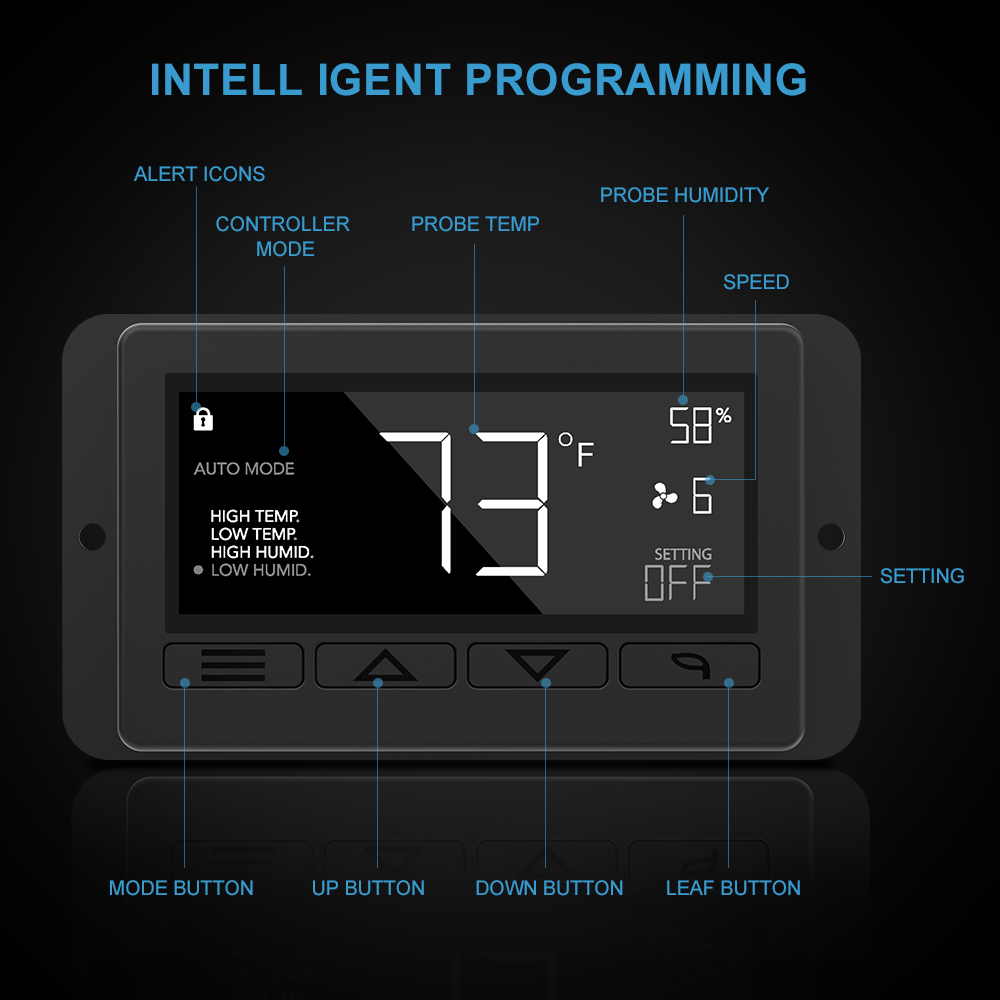
Automated Temperature Management Systems
Professional CEA operations require automated climate control infrastructure rather than manual intervention. Recommended systems include:
- Digital thermostats with precision sensors: ±0.5°F accuracy for reliable monitoring
- Integrated HVAC systems: Coordinated heating, cooling, and ventilation for seamless temperature regulation
- Distributed sensor networks: Multiple monitoring points throughout the facility to detect temperature gradients
- Automated ventilation controls: Fans that adjust intake and exhaust based on real-time temperature data
- Heating systems: Unit heaters or radiant systems for cold-season operation
- Evaporative cooling or chiller systems: For warm-season temperature management
These systems provide superior control compared to manual management and deliver substantial operational benefits: consistent yields, reduced energy waste, improved produce quality, and lower labor costs.
Industry Standard: Automated climate control systems typically reduce energy costs by 20–30% while improving yield consistency and product quality.
Humidity Management in Controlled Environments
Optimal Humidity Ranges
The ideal relative humidity (RH) for most horticultural operations ranges from 40–70%, depending on growth stage and crop type. Maintaining this range prevents both desiccation stress and fungal pathogenic pressure.
| Humidity Level |
Relative Humidity Range |
Status |
Primary Concerns |
| Low Humidity |
Below 40% RH |
Suboptimal |
Accelerated transpiration; potential water stress |
| Optimal Range |
40–70% RH |
Target |
Balanced transpiration; minimal pathogenic pressure |
| High Humidity |
Above 70% RH |
Excessive |
Fungal pathogen proliferation; mold development |
Humidity Monitoring Equipment
Accurate humidity measurement requires professional-grade instrumentation. Electronic hygrometers with integrated data logging capabilities provide optimal monitoring for commercial operations. Key features include:
- Digital display with real-time RH percentage readout
- Data logging and cloud connectivity for remote monitoring
- Alarm thresholds for automatic alerts when parameters drift outside target ranges
- Integration with facility management systems for coordinated climate control
- Multiple sensor placement throughout the facility to identify microclimates

Low Humidity Conditions (Below 40% RH)
When environmental humidity drops below 40% relative humidity, plants experience accelerated transpiration rates. The consequences include:
- Increased water consumption and irrigation demand
- Higher water delivery requirements to prevent plant stress
- Potential nutritional imbalances if irrigation systems cannot maintain consistent moisture levels
- Marginal impact on crop viability if adequate water reserves remain available
While low humidity does not typically cause immediate crop failure, it demands responsive irrigation management and can increase production costs through elevated water consumption.
High Humidity Conditions (Above 70% RH)
Excessive humidity represents a more serious operational concern. When relative humidity consistently exceeds 70%, particularly during the flowering or fruiting phase, multiple complications emerge:
- Fungal pathogen proliferation: Botrytis cinerea (gray mold), powdery mildew, and other fungal pathogens thrive in high-humidity environments
- Rapid mold development: Visible mold growth on plant tissues and facility surfaces
- Crop loss potential: Severe fungal infections can result in significant yield losses or total crop failure
- Extended remediation time: Fungal issues require immediate intervention and ongoing monitoring
Critical Alert: High humidity combined with poor air circulation creates ideal conditions for destructive fungal diseases. Immediate dehumidification and ventilation adjustments are required to prevent crop loss.
Humidity Management by Growth Stage
| Growth Stage |
Optimal RH Range |
Rationale |
| Vegetative Phase |
50–70% RH |
Higher humidity supports leaf expansion and biomass development; lower risk of pathogenic pressure during rapid growth |
| Transition Phase |
45–65% RH |
Gradual humidity reduction prepares plants for reproductive phase |
| Flowering/Fruiting Phase |
40–60% RH |
Lower humidity reduces fungal disease risk while enhancing quality attributes; critical for premium produce |
| Harvest/Post-Harvest |
50–60% RH |
Maintains product quality during final maturation and harvest operations |
Integrated Climate Control Systems and HVAC Solutions
Ventilation System Requirements
Professional ventilation systems form the foundation of effective humidity and temperature management. High-performance CEA facilities incorporate:
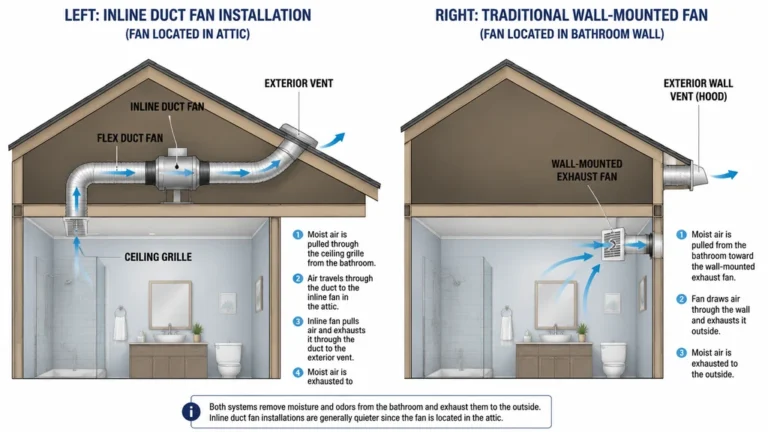
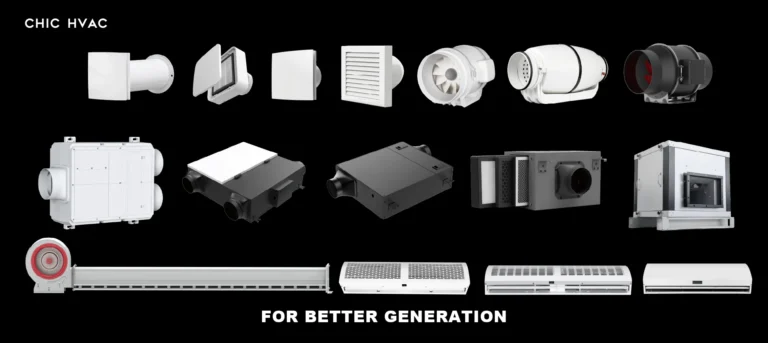
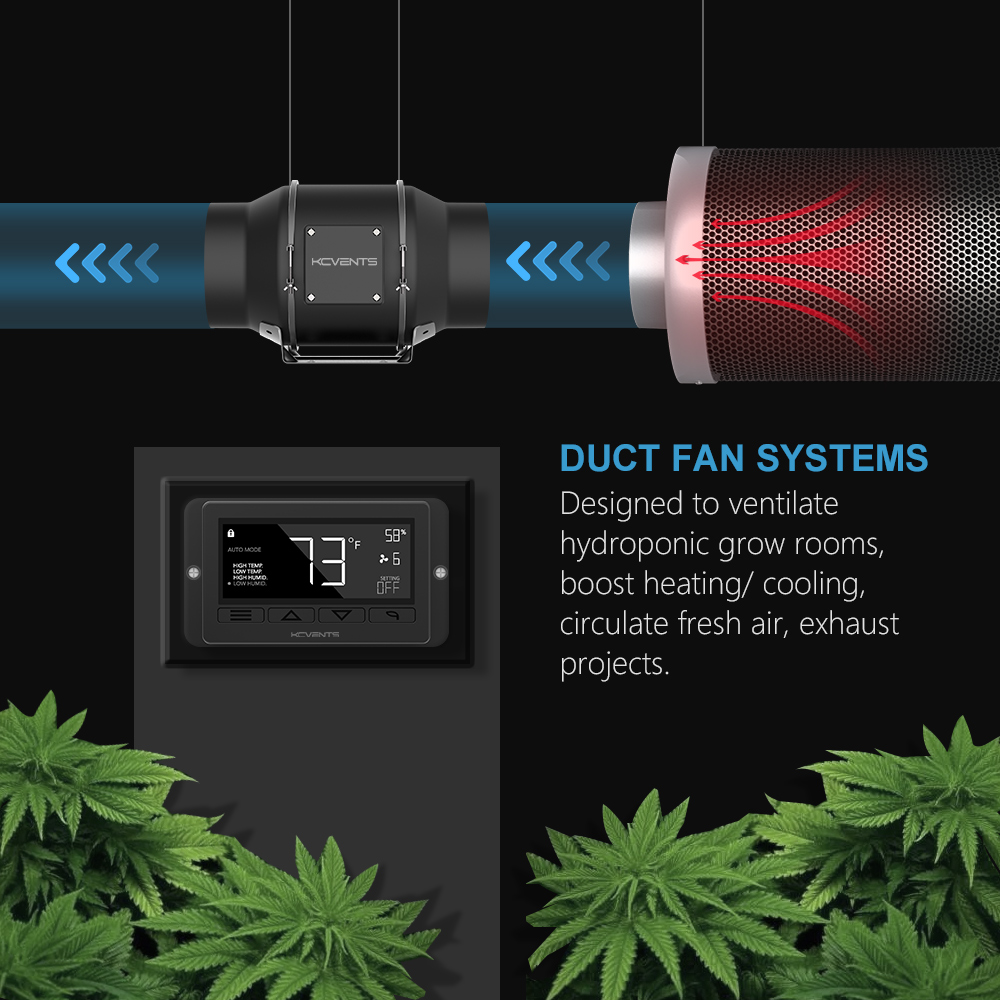
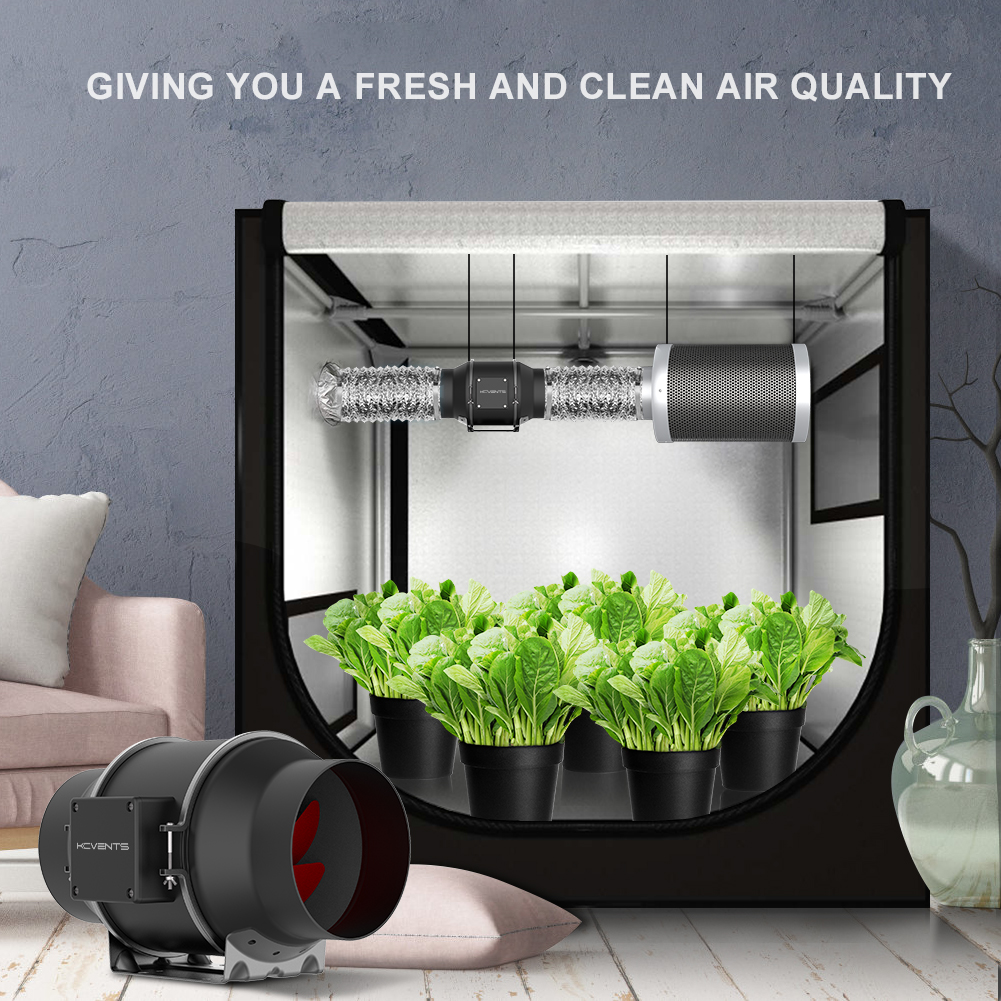
- Inline mixed-flow ventilation fans: Designed for continuous operation with low noise profiles suitable for occupied facilities
- Fresh air intake systems: Supply external CO₂-rich air while maintaining temperature and humidity targets
- Exhaust systems: Remove excess moisture, heat, and stale air to maintain optimal facility conditions
- Carbon dioxide supplementation: Prevents CO₂ starvation while maintaining adequate fresh air exchange
- Static pressure management: Properly sized ductwork and fans maintain effective airflow even under challenging conditions
Ventilation systems should be capable of maintaining stable conditions across variable external environmental conditions while supporting consistent internal parameters.

Dehumidification Technologies
When natural ventilation proves insufficient for humidity control, mechanical dehumidification becomes necessary:
- Refrigerant dehumidifiers: Cost-effective for moderate humidity reduction; suitable for most CEA applications
- Desiccant dehumidifiers: Effective at low temperatures; provides superior humidity control in cool environments
- Hybrid systems: Combine refrigerant and desiccant technologies for superior performance across diverse conditions
- Integrated HVAC solutions: Dehumidification coordinated with heating and cooling systems for optimal efficiency
Heating and Cooling Integration
Effective temperature management requires coordinated heating and cooling capabilities:
- Heating systems: Unit heaters, radiant panels, or hot water loops for cold-season temperature maintenance
- Cooling systems: Evaporative coolers, chiller units, or pad-and-fan systems for warm-season heat rejection
- Setpoint controls: Proportional controllers that automatically adjust heating/cooling output based on facility temperature
- Night setback options: Energy-efficient operation that maintains appropriate nighttime temperatures while reducing heating demand
Environmental Parameters and Plant Physiology
Temperature Fluctuations and Stress Response
Large day-to-night temperature swings (greater than 10°F or 6°C differential) trigger plant stress responses that compromise productivity:
- Excessive vegetative growth with enlarged leaves that reduce photosynthetic efficiency
- Compromised structural integrity and lodging risk
- Increased transpiration demand and water stress despite adequate irrigation
- Reduced reproductive output during flowering phases
Maintaining stable temperatures within a narrow band (±3–5°F variation) prevents these stress responses and optimizes physiological performance.
Vapor Pressure Deficit (VPD) Considerations
Advanced CEA operators monitor Vapor Pressure Deficit (VPD)—the difference between actual and saturated vapor pressure in the air. VPD influences transpiration rates and nutrient transport:
- Low VPD (high humidity): Reduced transpiration; potential for pathogenic pressure; limited nutrient movement to leaves
- Optimal VPD: Balanced transpiration; efficient nutrient delivery; minimal disease pressure
- High VPD (low humidity): Excessive transpiration; potential water stress; possible nutritional imbalances
Target VPD ranges typically fall between 0.45–0.85 kPa depending on growth stage and crop type. Modern facility management systems calculate and display VPD in real-time, enabling data-driven climate adjustments.

Energy Efficiency and Operational Cost Management
Optimizing Climate Control Efficiency
Professional CEA operations balance climate precision against energy costs. Efficiency strategies include:
- Thermal mass utilization: Water or thermal storage systems that buffer temperature fluctuations and reduce HVAC cycling
- Night cooling optimization: Utilizing cooler nighttime external air when available to reduce active cooling load
- Setpoint optimization: Operating at the minimum acceptable temperature/humidity ranges rather than excessive margins
- Sensor calibration: Regular validation ensures accurate readings and prevents unnecessary equipment cycling
- Preventive maintenance: Clean filters, properly tuned systems, and well-maintained equipment operate with maximum efficiency
Efficiency Target: Optimized climate control systems should achieve production goals while maintaining energy consumption within industry benchmarks (typically 8–12 kWh per square meter annually for vertical farming operations).
Troubleshooting Common Climate Issues
Problem: Condensation and High Humidity
Symptoms: Visible moisture on leaves and facility surfaces; elevated humidity readings above 70% RH.
Solutions:
- Increase ventilation fan speed to enhance air circulation and remove excess moisture
- Activate dehumidification systems if mechanical devices are available
- Reduce nighttime temperature setpoints to lower saturation vapor pressure
- Improve air circulation with supplemental fans to prevent dead zones
- Monitor for fungal pathogen development and apply preventive measures
Problem: Excessively Dry Conditions
Symptoms: Humidity persistently below 40% RH; visible leaf wilting despite adequate irrigation; browning leaf margins.
Solutions:
- Reduce ventilation fan speed to retain moisture within the facility
- Increase irrigation frequency to match elevated transpiration demand
- Install humidification equipment (misting systems, ultrasonic humidifiers) if available
- Verify that external air intake dampers are not pulling excessive dry outside air
- Check irrigation system for adequate water delivery
Problem: Temperature Instability
Symptoms: Temperature fluctuations greater than ±5°F; day-to-night swings exceeding 10°F; uneven temperature distribution across facility zones.
Solutions:
- Verify thermostat calibration and sensor placement away from drafts or heat sources
- Adjust HVAC proportional controller parameters to reduce overshoot and system hunting
- Ensure adequate air circulation to prevent dead zones or stratification
- Inspect insulation integrity; address air leaks or thermal bridges
- Consider thermal mass additions to buffer temperature fluctuations
Best Practices for CEA Climate Management
- Implement automated monitoring: Deploy sensor networks with real-time data logging and alert capabilities
- Establish setpoint protocols: Document target parameters for each growth stage; train staff on standard operating procedures
- Perform regular calibration: Quarterly verification of all monitoring equipment against certified standards
- Maintain maintenance schedules: Preventive HVAC service intervals to ensure reliable operation
- Review data trends: Monthly analysis of climate data to identify patterns and optimization opportunities
- Plan for redundancy: Backup systems for critical climate control functions to prevent crop loss from equipment failure
- Invest in professional staff training: Operators with certified expertise in CEA climate systems
- Conduct regular system audits: Annual energy audits and performance evaluations by qualified professionals
Foundation Principle: Precision climate control is not a cost center—it is the core infrastructure investment that enables consistent, profitable horticultural production in controlled environments.
Conclusion
Temperature and humidity management represent the critical foundation of successful controlled environment agriculture operations. Maintaining optimal parameters—68–77°F (20–25°C) for temperature and 40–70% relative humidity—requires professional-grade monitoring systems, automated HVAC infrastructure, and skilled operational oversight.
Facilities that invest in integrated climate control systems achieve measurable benefits: consistent crop yields, superior produce quality, reduced pest and pathogenic pressure, and improved energy efficiency. Modern CEA operations compete successfully against traditional field agriculture through precise environmental control that maximizes productivity while minimizing resource waste.
Success demands commitment to data-driven management, equipment maintenance discipline, and continuous optimization of climate parameters throughout the growing cycle. Facility managers and engineers who prioritize climate system excellence establish the operational foundation for sustainable, profitable indoor farming enterprises.

“`